
🌍 Choosing the Right Eco‑Material for Electronics in 2026
6/2/20264 min read
April 2026, Shenzhen World Exhibition & Convention Center. At the WEPACK World Packaging Expo, an overseas buyer stands at a bagasse molded‑pulp booth, turning a phone box in his hands.
“Can this material meet my client’s anti‑static requirements?”
This question is becoming increasingly common. With global regulations tightening and consumer expectations rising, sustainable packaging has shifted from a nice‑to‑have to a market entry requirement for electronics.
01|Why Electronics Packaging Matters More Than Ever in 2026
The numbers tell the story:
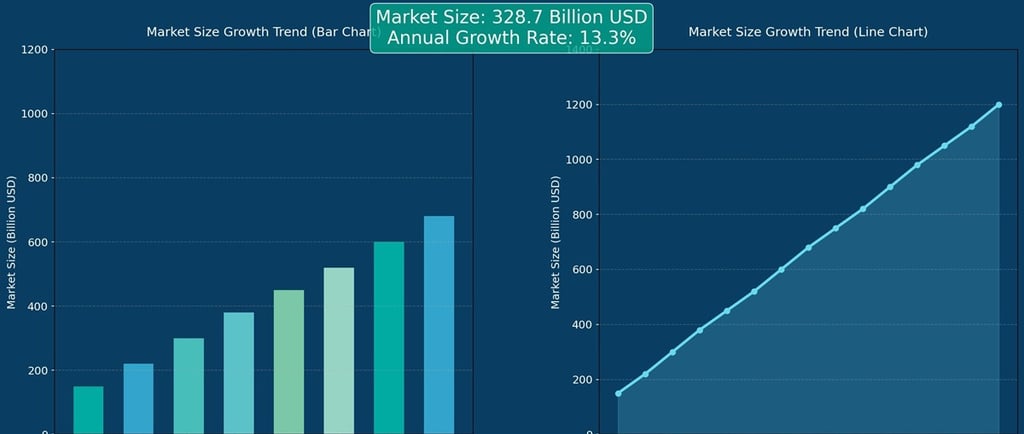
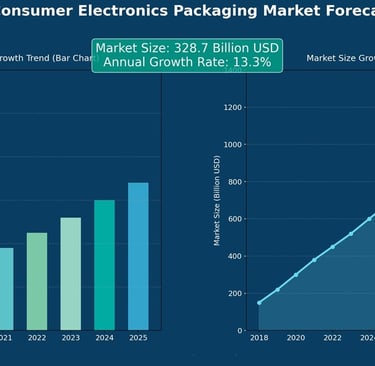
The global consumer electronics packaging market will reach USD 32.87B in 2026 (+13.3% YoY).
The sustainable materials market will hit USD 41.28B (+12% CAGR).
The EU’s Packaging & Packaging Waste Regulation (PPWR) took effect in Feb 2025 and will be fully enforced on August 12, 2026.
Consumers are shifting too:
57% believe paper‑based packaging is more eco‑friendly.
56% prefer paper‑based packaging for e‑commerce deliveries.
If your electronics still ship in traditional plastics, you risk EU non‑compliance and consumer rejection. Sustainable packaging is no longer premium, it’s the baseline.
02|Three Forces Reshaping Electronics Packaging in 2026
1. Regulations Are Tightening—Fast
PPWR is the most impactful regulation for electronics exporters this year. Key requirements include:
To meet upcoming environmental requirements, packaging design and materials should address the following five key areas:
①. Recyclability
Requirement: Materials with a recycling rate below 70% will be banned by 2030.
Impact: EPS and multi‑layer plastics will face phase‑out.
②. Recycled Content
Requirement: By 2040, PET must contain 50% recycled content; other plastics must contain 65%.
Impact: Post‑consumer recycled (PCR) materials become mandatory.
③. Packaging Reduction
Requirement: 5% reduction in packaging weight/volume by 2030; void fill cannot exceed 50%.
Impact: Over‑packaging will be considered non‑compliant.
④. PFAS Ban
Requirement: Takes effect on August 12, 2026.
Impact: Fluorinated coatings will be eliminated.
⑤. Labeling
Requirement: Material and recycling information must be displayed on packaging by 2028.
Impact: Increased transparency across the supply chain.
And this is global:
14 U.S. states now enforce packaging EPR laws
California SB 54: 65% of plastic packaging must be recyclable/compostable by 2032
Japan, Korea, Singapore… all tightening rules
Sustainability compliance is becoming a global standard, not a regional trend.
2. EPR Fees Are Now “Eco‑Priced”
From 2026 onward, many countries have adopted eco‑modulated EPR fees:
Recyclable packaging → lower fees
Hard‑to‑recycle packaging → higher fees
Germany reports:
25% faster customs clearance
28% lower carrier surcharges
…for electronics using sustainable packaging.
Sustainability now directly impacts your logistics cost structure.
3. Breakthroughs in Eco‑Materials
2026 brought major advances in materials suitable for electronics:
As sustainability becomes a key driver in packaging design, the following seven materials offer eco‑friendly alternatives for various applications.
①. Bagasse Molded Pulp
Key Features: Compostable, customizable
Best For: Phones, chargers
Advantages: Cost close to conventional plastics
②. Mycelium Composites
Key Features: Excellent cushioning
Best For: Servers, precision devices
Advantages: Fully compostable
③. Recycled Molded Pulp
Key Features: Recyclable, stable
Best For: Smartphones, tablets
Advantages: Mature and scalable technology
④. Nanocellulose Fiberboard
Key Features: High strength, ESD protection
Best For: PCBs, semiconductors
Advantages: Premium performance
⑤. Conductive Recycled Paperboard
Key Features: Built‑in ESD protection
Best For: Displays, PCB trays
Advantages: +5–8% cost, best value
⑥. Wheat‑Straw Composites
Key Features: Natural texture, anti‑static
Best For: Phone cases, power banks
Advantages: “Waste‑to‑value” concept
⑦. Cork
Key Features: Naturally anti‑static, moisture‑resistant
Best For: Power banks, cables
Advantages: High‑end tactile feel
03|Cork & Wheat Straw: The New Contenders for Electronics Packaging
These two natural materials are gaining traction for electronics packaging and accessories.
Natural Anti‑Static Performance
Cork has inherent ESD resistance
Wheat‑straw composites can be engineered to meet basic ESD requirements
A Premium, Natural Aesthetic
A buyer described wheat‑straw texture as:
“Warm, refined, and lightweight—nothing like plastic.”
For consumer electronics, unboxing is part of the brand experience.
A Strong Sustainability Story
Cork is harvested every ~9 years without cutting the tree
Wheat straw transforms agricultural waste into high‑value materials
Data That Matters
Switching from EPS to high‑end eco‑packaging resulted in:
Damage rate: 4.2% → 1.8% (↓57%)
Carbon footprint: ↓46%
Return rate: 2.9% → 1.3% (↓55%)
Eco‑packaging isn’t weaker, it’s safer and more cost‑effective.
04|What This Means for Electronics Procurement
1. Prepare for Compliance Now
PPWR full enforcement begins August 12, 2026. Orders placed today will arrive under the new rules.
If your supplier still uses traditional plastics, it’s time to launch a replacement plan.
2. Turn Packaging Into a Marketing Asset
Cork, wheat straw, and molded fibers offer:
Natural textures
Premium unboxing
Authentic sustainability narratives
If you’re already investing in better materials—make it part of your brand story.
3. Think in Total Cost, Not Unit Cost
Eco‑materials may carry a small premium, but the total cost often tells a different story:
Faster customs clearance
Lower surcharges
Fewer returns (↓57%)
Lower brand‑risk exposure
Future EPR fee discounts
Sustainability isn’t expensive—inefficiency is.
05|Strategic Takeaways for the Years Ahead
2026 is a turning point for electronics and packaging. As WEPACK highlighted with its “New Silk Road of Packaging” concept:
Shenzhen is no longer just a production hub—it’s a demand engine.
Packaging has evolved into:
A compliance passport
A marketing tool
A carrier of circular‑economy value
Cork, wheat straw, bagasse… each material is rewriting the rules of electronics packaging.
Are you ready for the shift?
👋 Let’s Connect
If you’re exploring sustainable packaging or eco‑friendly electronics solutions, message me “SUSTAINABLE” and let’s talk.
I’m Tiffany from Infinite Panda — your sourcing partner in China, helping you navigate compliance, sustainability, and supply‑chain risk with confidence.
Infinite Panda — Sourcing made simple.
#SustainablePackaging #GreenSupplyChain #EcoMaterials #ElectronicsManufacturing #CircularEconomy #ESDPackaging #SustainableSourcing #ChinaManufacturing #PackagingInnovation #Compliance2026 #ElectronicsSourcing #B2BManufacturing #OverseasBuyers