Strait of Hormuz Closed Again: What It Means for Supply Chains
4/24/20262 min read
When Geopolitics Stops Your Container
A client called me:
“Tiffany, my container is stuck in Dubai. It can’t go in, can’t come back. Customers are pushing. What should I do?”
This wasn’t the first time. Since the Middle East crisis escalated, I’ve been hearing the same questions:
Will shipments go through?
Will prices rise again?
Can the supply chain hold?
I feel their anxiety, because I’m living it too.
1️⃣ Truth One: War’s Impact Runs Deeper Than Headlines
Conflict isn’t just “far away news.” In today’s interconnected supply chains, every ripple reaches our desks.
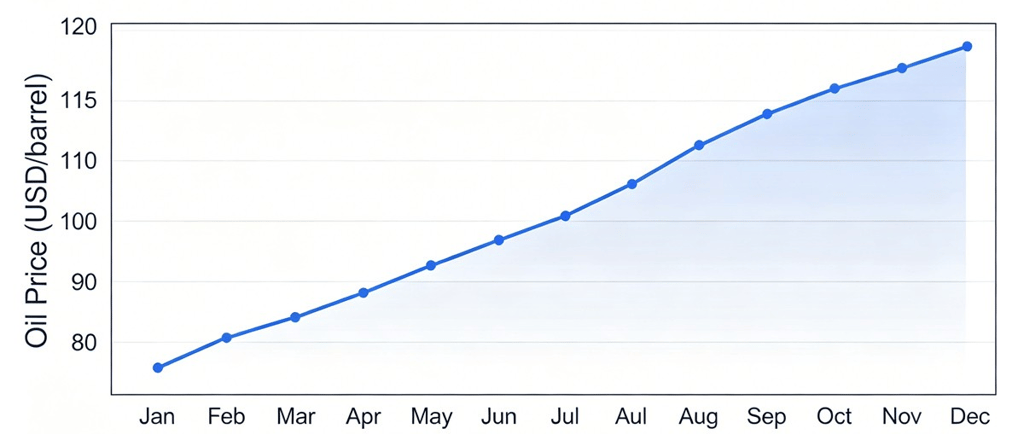
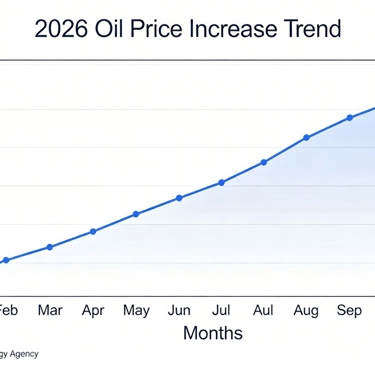
Energy → Chemicals → Manufacturing Brent crude surged past $119/barrel. Oil isn’t just fuel—it’s plastics, casings, packaging. When oil spikes, everything from capacitors to PCB boards gets more expensive.
Energy → Transport → Logistics Strait of Hormuz closures mean rerouting, higher freight, higher insurance, longer transit. One container drifted 45 days instead of 21.
Energy → Power → Industry Rising oil pushes electricity costs higher. Factories pay more, and so do we.
When factories say “raw materials are up,” it’s not an excuse. It’s a systemic shock.
2️⃣ Truth Two: Fragility Exposed
Many supply chains look “stable” but rely on fragile assumptions.
Take Japan’s auto industry:
70% of aluminum and 65% of naphtha imported via Hormuz
Toyota cut 38,000 vehicles when supply stopped
256,000 used cars exported via Dubai, suddenly blocked
Ask yourself:
Only one key supplier?
Only one logistics route?
Only one port?
If yes, the next crisis could hit just as hard.
3️⃣ Truth Three: Crisis Creates Winners & Losers
Volatility is a filter. Some suppliers stand out, others fade away.
The World Economic Forum calls this the era of structural uncertainty. Translation: low cost isn’t enough — resilience matters.
Suppliers who:
Communicate proactively
Warn early
Offer backup plans
…become rare assets.
Those who go silent? Quietly replaced.
One client’s supplier disappeared for two weeks. We stepped in, aligned factories, assessed risks, stabilized within a week.
He told me:
“Tiffany, I used to care only about price. Now I realize, the person who shows up when I need them most is the most valuable.”
What Can We Do?
Build Backup Awareness → Always have alternatives ready
Increase Visibility → Spot risks early, trigger checks fast
Choose Long-Term Partners → Those who share risks are worth more than “lowest price”
Procurement’s true value isn’t comfort in good times. It’s certainty in chaos.
Final Thoughts
That night, I told Client A: container tracked, routes evaluated, factory aligned.
He replied:
“Tiffany, thank you. Knowing you’re on it makes me feel less stressed.”
That’s why we do what we do.
The world won’t stop being uncertain. But we can choose to be the steady hand our clients rely on.
💬 If you’re navigating supply chain disruptions or rethinking resilience, I’d love to hear your perspective.
#SupplyChainResilience #GlobalProcurement #GeopoliticalRisk #OilPriceVolatility #LogisticsDisruption #CrisisManagement #RiskMitigation #AgilityAndCollaboration #StrategicSourcing #BusinessContinuity